
Staying ahead of fraud is one of the smartest financial moves you can make — especially as scammers ramp up their attempts. As people are managing finances, preparing documents, and receiving more communications than usual, it’s important to know what to look for and how to protect yourself.
⚠️ Common Red Flags to Watch For
Scammers often try to create pressure, urgency, or fear to get you to react quickly. Be cautious of any message, call, or email that:
- Creates urgency (“Act now!” “Your account will be closed!”)
- Requests personal or financial information
- Asks for payment through gift cards, wire transfers, or cryptocurrency
- Comes from an unfamiliar or slightly altered email address or phone number
- Includes unexpected links or attachments
- Contains misspellings, strange formatting, or unusual language
- Promises something that feels too good to be true
If something makes you pause, that’s a sign worth paying attention to.
🛡️ Best Practices to Stay Safe
Fraudsters use multiple channels — email, text, phone calls, and even social media. These everyday habits can help keep you protected.
Email & Text Safety
- Don’t click suspicious links or open unexpected attachments
- Hover over links to check the real destination
- Review the sender’s full email address carefully
- Look for odd formatting, poor grammar, or misspellings
- When in doubt, navigate directly to the official website
Phone Call Safety
- Never share passwords, PINs, or verification codes
- Don’t rely on caller ID alone — numbers can be spoofed
- Hang up on unsolicited or high‑pressure calls
- Verify the organization using a known, trusted phone number
🔒 Strengthen Your Account Security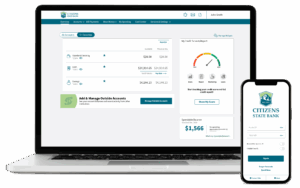
A few simple tools in CSB Online Banking and the CSB Mobile App can make a big difference:
- Turn on account alerts
Receive real‑time notifications for transactions and sign‑ins — one of the fastest ways to spot unusual activity. - Use My Spending
Categorize your purchases, monitor where money is going, and set spending limits. - Enable Credit Score
Monitor your credit health, receive credit‑related alerts, and keep tabs on any unexpected changes. - Use strong passwords and MFA
Choose unique passwords that include letters, numbers, and symbols, and enable multi‑factor authentication whenever possible. Avoid using the same password across multiple sites.
Regularly reviewing your accounts is one of the easiest ways to detect something unusual early.
✅ If You’re Unsure — Pause and Verify
If something doesn’t look or feel right:
- Stop — don’t click or reply
- Verify using a trusted phone number or official website
- Ask a trusted friend, family member, or your CSB banker
- Report the suspicious message or call if needed
It’s always okay to slow down before taking action.
If You Think You’ve Been Scammed
Acting quickly can help reduce risk. If you believe you’ve shared information or notice unfamiliar activity:
- Contact your bank or card provider immediately
- Change the passwords associated with affected accounts
- Consider freezing your credit
- Save any related messages or screenshots
- Report the incident to consumer protection agencies
Your local CSB team can guide you through next steps if you’re unsure what to do first.
🤝 We’re Here to Help
Protecting your money is an important part of making the right money moves — and you don’t have to navigate it alone. Stop by your local branch for a printed copy of our Fraud Awareness Tips handout, or reach out anytime with questions about suspicious activity.
Because when you bank locally, you have real people looking out for you — neighbors you know and trust, committed to keeping your money safe.
Educational Resources
- https://www.staysafeonline.org/
- https://www.cisa.gov/
- https://www.ic3.gov/
- For more information on phishing and how to protect yourself, go to www.phishing.org.